Lighting has long been treated as a background feature of the workplace—necessary, but rarely strategic. Rows of static overhead fixtures, minimal adjustability, and a simple on/off approach defined office environments for decades. But as companies rethink what it means to support employee well-being and performance, lighting is emerging as a powerful lever for change.
A recent article in Buildings.com explores how smarter lighting systems are helping organizations create healthier, higher-performing workplaces. The takeaway is clear: lighting is no longer just about visibility. It is about biology, productivity, and data-driven building performance.
Lighting and Human Performance
Poor lighting can do more than create visual discomfort. Employees frequently report headaches, eye strain, and fatigue in environments with harsh glare, flicker, or inadequate illumination. Over time, these issues can affect focus, mood, and overall job satisfaction.
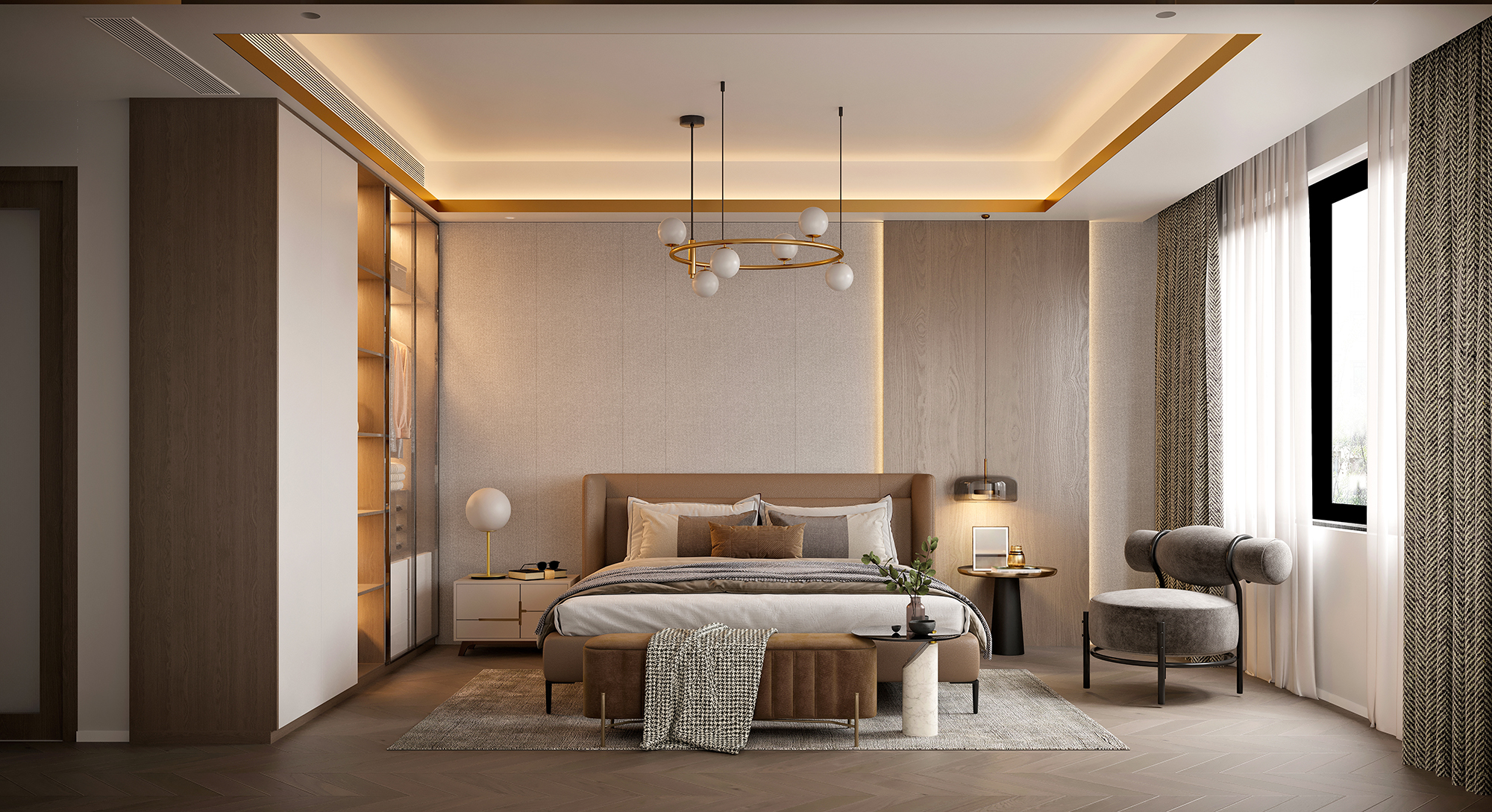
Human-centric lighting systems are designed to align with the body’s circadian rhythm. By adjusting intensity and color temperature throughout the day, these systems mimic natural daylight patterns. Cooler, brighter light during the morning can promote alertness, while warmer tones later in the day support a more gradual transition toward rest.
The result is a workplace that works with people’s biology instead of against it.
Productivity Gains Through Better Design
When lighting supports natural rhythms, employees are better positioned to concentrate and sustain energy levels. Reduced fatigue and improved visual comfort can translate into fewer errors, stronger engagement, and more consistent performance.
In a competitive talent market, these gains matter. Organizations that invest in environmental quality—including lighting—signal that employee experience is a priority. That investment can influence retention, morale, and overall workplace culture.
Smart Lighting as a Data Tool
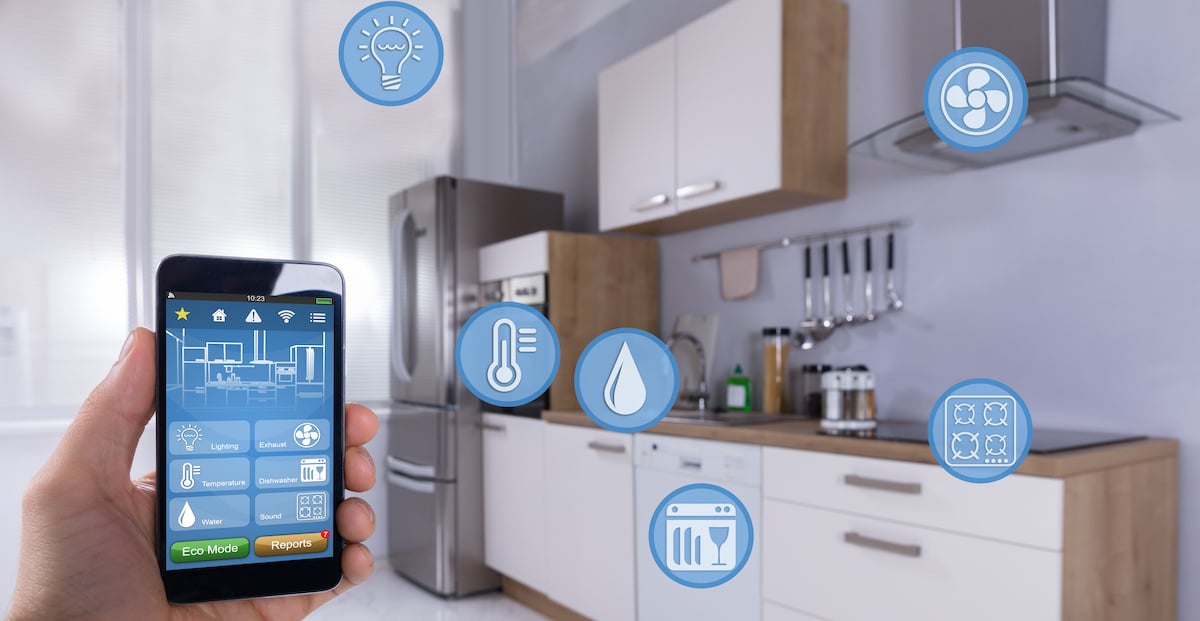
Modern lighting systems also function as infrastructure for insight. Integrated sensors can collect occupancy and usage data, helping facilities teams understand how space is actually being used.
This information can guide decisions about layout optimization, energy efficiency, and hybrid work strategies. In other words, lighting is not just illuminating space—it is generating intelligence about it.
Personalization and Control
One of the most significant shifts in workplace design is the move toward personalization. Instead of a one-size-fits-all environment, employees increasingly expect control over their surroundings.
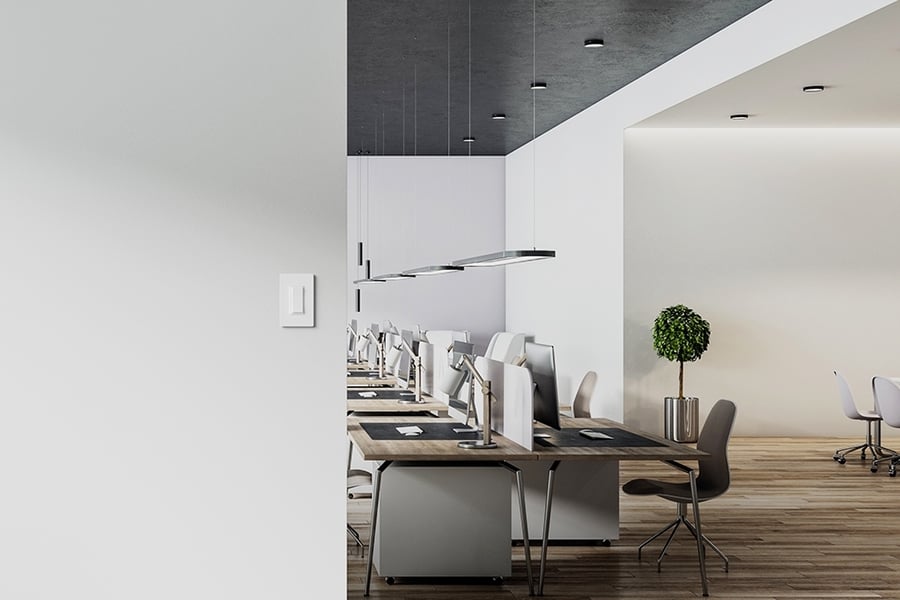
Advanced lighting systems can offer user-level adjustments in task areas, collaboration zones, and quiet spaces. Providing this control enhances comfort and reinforces a sense of autonomy—both key contributors to workplace satisfaction.
A Strategic Wellness Investment
Forward-thinking organizations are aligning lighting upgrades with broader sustainability and wellness goals. Standards such as WELL Building Standard and LEED recognize the role lighting plays in occupant health and environmental performance.
In this context, lighting is no longer an operational expense alone. It is a strategic investment—one that connects employee well-being, energy efficiency, and business outcomes.
The Bottom Line
Better lighting does more than brighten a room. It shapes how people feel, think, and perform throughout the day. By embracing adaptive, data-enabled, human-centric systems, organizations can create offices that support both health and high performance.
As workplace expectations continue to evolve, lighting may prove to be one of the most impactful—and underestimated—tools in the modern office.