.jpg?width=900&height=573&name=2026%20Industry%20Progress%20Report%20Seal%20Color%20Clear%20Background%20(1).jpg)
A beautiful keypad should not have to sacrifice intelligence. BubblyNet’s Designer Keypad Interface (K-ZC) has been recognized in the 2026 IES Progress Report as a “unique and significant advancement to the art and science of lighting,” highlighting an innovative solution for bringing familiar, high-end controls into wireless smart environments.
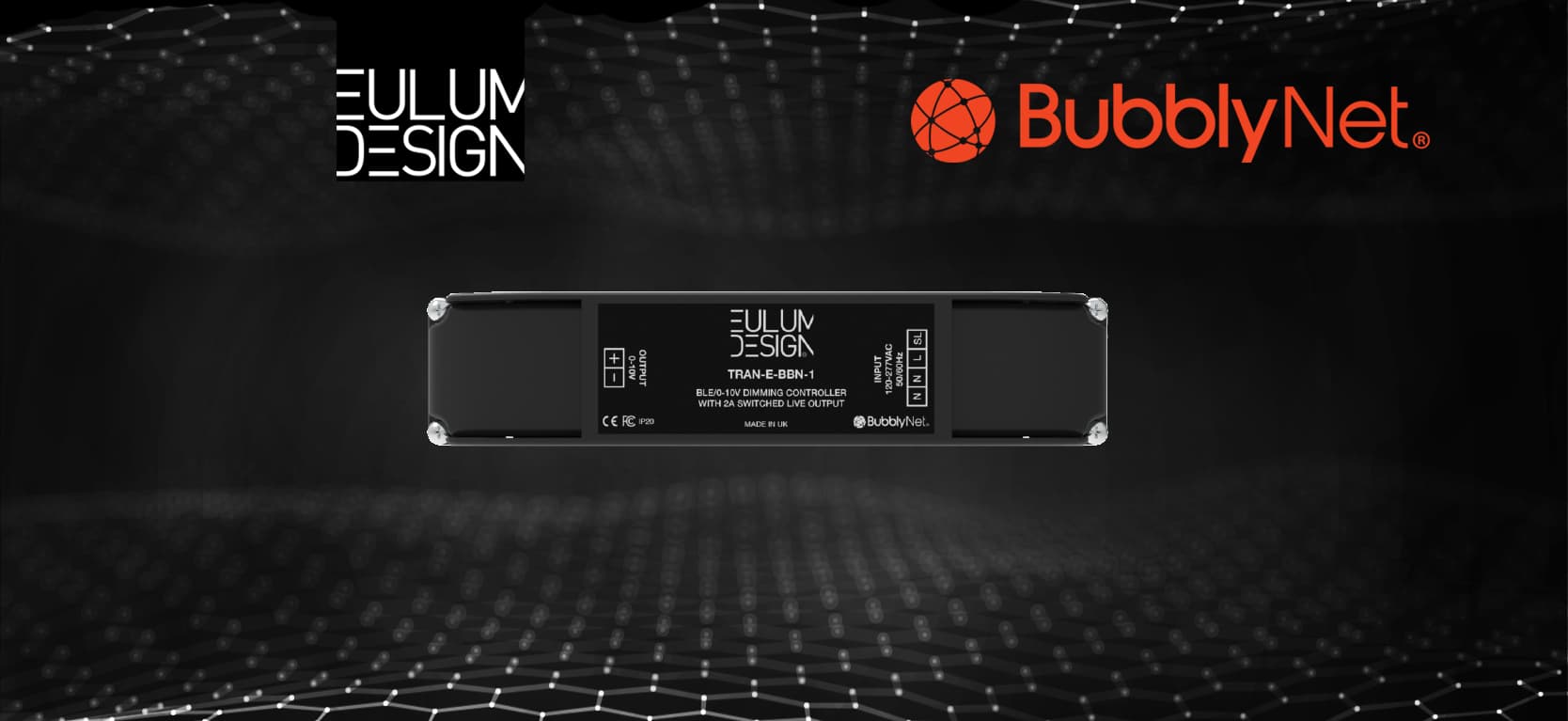
The K-ZC takes an intentionally different approach to intelligent control: instead of requiring a proprietary smart keypad, it allows third-party keypads, dimmers, and switches to become smart wireless user interfaces. The device can be configured through the BubblyNet App and supports up to four analog 0–10V inputs and four dry-contact inputs.
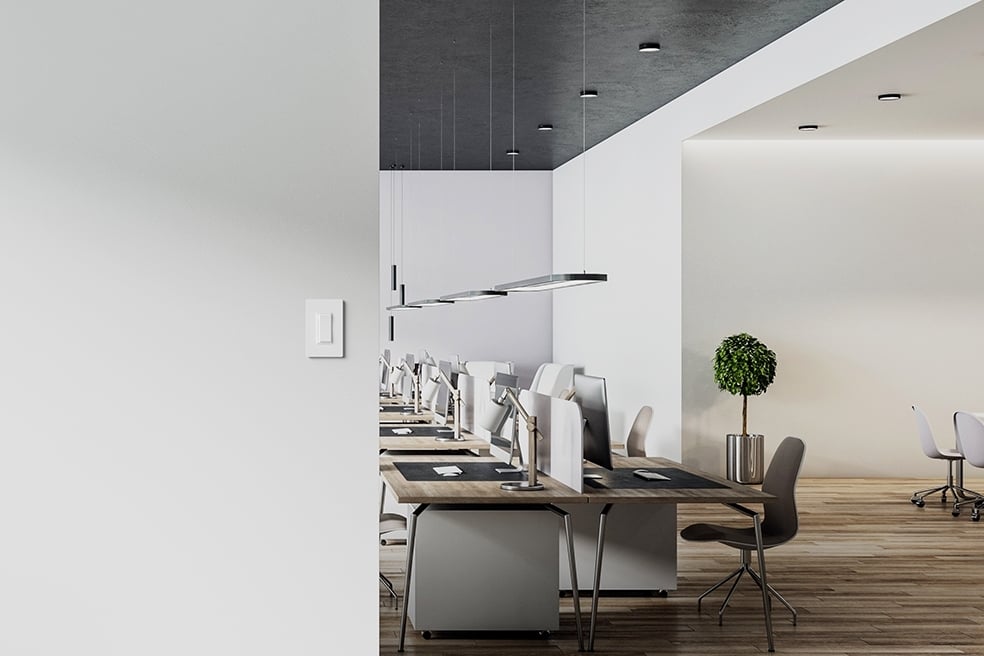
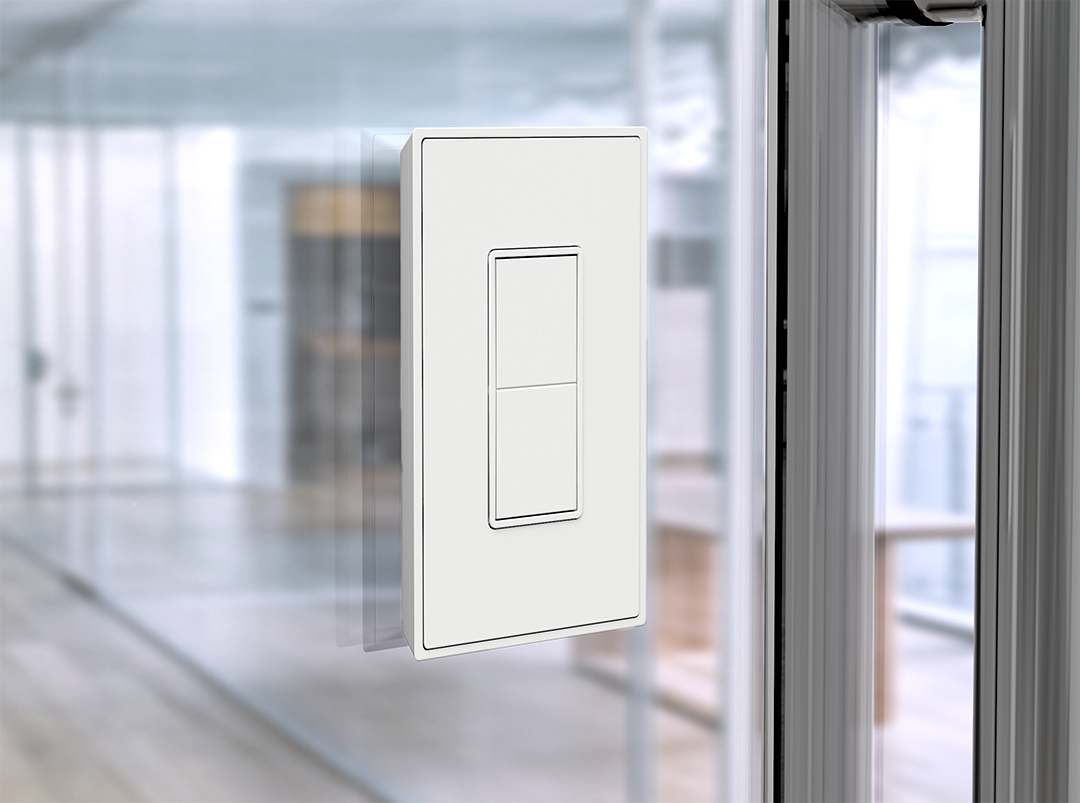
This capability gives designers considerably more freedom when selecting the visible controls within a project. Architectural and designer keypads can maintain their intended aesthetic while gaining access to the functionality of a connected lighting system.
The K-ZC flexibility extends to applications beyond basic lighting: tunable white, color changing, shades, music and beyond. This creates opportunities for designers and integrators to incorporate lighting and other connected functions while maintaining a consistent visual language throughout the space.
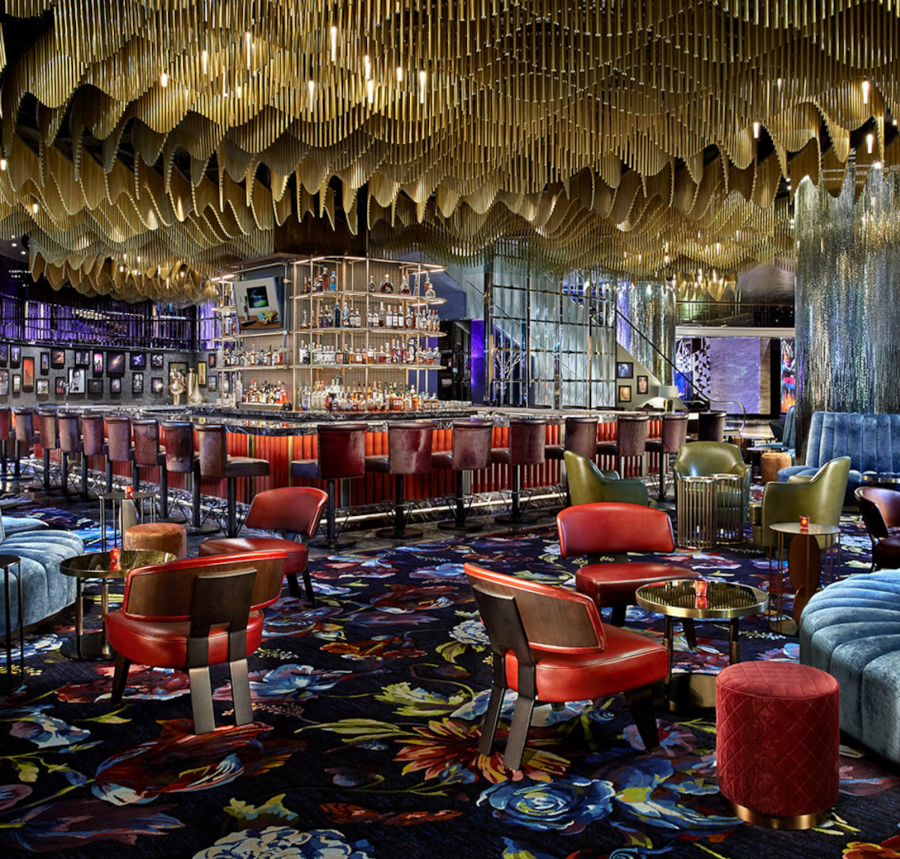
The K-ZC is particularly well suited to projects where aesthetics, usability, and system flexibility need to work together. Luxury residential environments, hospitality spaces, high end corporate interiors, and architectural projects can all benefit from the ability to pair designer hardware with wireless intelligence.
Rather than replacing the controls designers already want to use, BubblyNet’s Designer Keypad Interface expands what those controls can do. That philosophy—preserving design freedom while adding intelligent functionality—is at the heart of the K-ZC and contributes to its recognition in the 2026 IES Progress Report.
For BubblyNet, the recognition represents another step toward making connected building technology more adaptable to the people and spaces it serves—putting the intelligence behind the wall while keeping the design experience front and center.
FIND OUT MORE
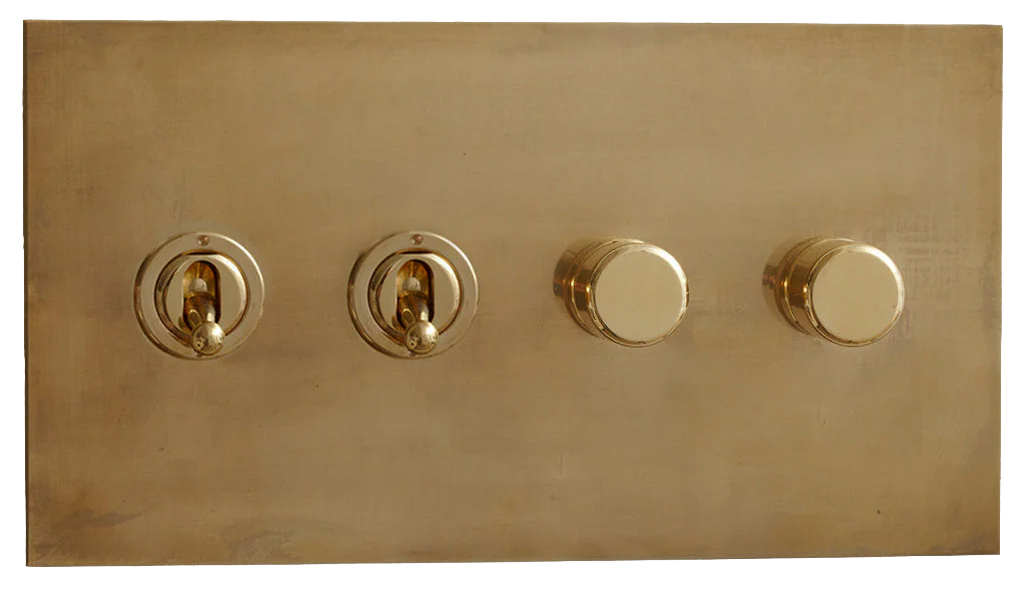
Courtesy of Forbes & Lomax